
Official Website of the
Catholic Diocese of Little Rock
What is the season of Lent?
Lent is a 40-day, penitential season in preparation for Easter. It begins on Ash Wednesday and ends with the Paschal Triduum. We observe it with prayer, fasting and almsgiving.
The concept of Lent goes back to the beginning of the Church, but the notion of a 40-day preparation can be traced to the Council of Nicaea in 325 A.D. which used the term, "tessarakoste," meaning “fortieth” in Greek. It is believed the reference was meant to imitate the 40 days Jesus spent fasting in the desert before his public ministry as well as the earlier examples of Moses (Exodus 34:28) and Elijah (1 Kings 19:4-8).
By the fourth century, a penitential season of 40 days had taken root in the Church. The Latin name for the season was "quadragesima," which means "40 days." The word "lent" is derived from the Old English "lencten," which means "spring." By the ninth century, Anglo-Saxons were using the term to refer to the penitential season before Easter.
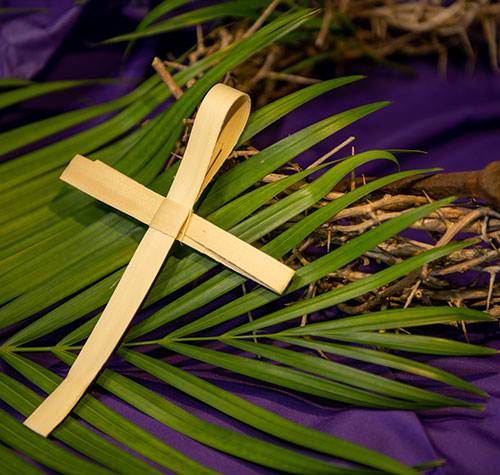
Virtual Way of the Cross in Arkansas
Lent Resources 2026

Pray Unceasingly
Add Eucharistic adoration, a virtual Way of the Cross, Bible study, the Prayer Book of Intentions or other traditional Catholic prayers to your time with God during Lent.

Fast for Love
While Moses (Exodus 34:28) fasted to prepare for God's revelation, Jesus took it a step further by doing the practice out of love.

Give Alms
Share what you have through CASA, One Church, special collections or CRS Rice Bowl to help those in need in Arkansas and beyond.

Lenten Guidelines
What are the rules on fasting and abstinence? Why should we do penance? Why can't we eat meat on Fridays? Get answers to these questions and more.
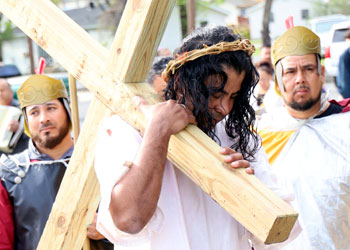

Lenten Recipes
Sample these meatless recipes from Arkansas Catholic readers divided into main dishes, casseroles, soups and side dishes. Are you hungry yet?

Youth Resources
These activities incorporate prayer, fasting and almsgiving specific to children, teens and young adults to help them experience Lent in a deeper way.
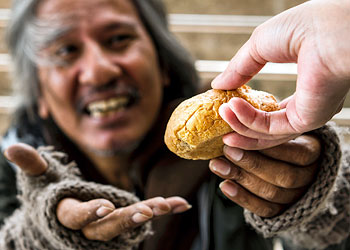
Love Your Neighbor
Giving up chocolate is nice, but taking up service adds a whole new dimension to Lent. Explore 25 ways to help others in the corporal and spiritual works of mercy.
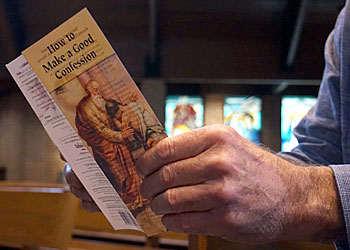
Reconcile with God
"Even now, says the Lord, return to me with your whole heart ..." (Joel 2:12). Reconciling with God and his Church is the function of the sacrament of reconciliation.